
 English
 Russian
 Thai
 Korean
 Chinese
 Japanese
 Vietnamese
 Malay
 Tamil
 Turkish
 Arabic
 Portuguese
 Indonesian
 French
 Spanish
Introduction
Aluminum shredders are machines specifically designed to break down highly recyclable metal materials such as aluminum into smaller pieces or particles. Using aluminum shredding machines makes it easier for aluminum scrap to be processed and melted down for reuse in the production of new aluminum products.
Types and applications of aluminum shredders
According to the number of axes, aluminum shredder machines can be divided into: single shaft aluminum shredder, double shaft aluminum shredder, four shaft aluminum shredder.
Single-shaft aluminum shredder
Single-shaft aluminum shredders are designed to process aluminum extrusions, lightweight scrap metal and general production scrap. These shredders use a single rotor to shred aluminum scrap before preparing it for further separation and sorting. The design typically includes an easily removable grid that helps create high density and uniformly sized scrap aluminum.


Application of Single-shaft aluminum shredder
- Single-shaft shredders can be used to shred aluminum production waste such as offcuts, offcuts and scrap parts.
- Single-shaft shredders can effectively process aluminum cans in beverage containers.

Dual-shaft aluminum shredder
Dual-shaft aluminum shredders feature two counter-rotating shafts to effectively shred aluminum materials. These machines are known for their high torque and low speed, which minimizes heat and dust generation.


Application of Dual-shaft aluminum shredders
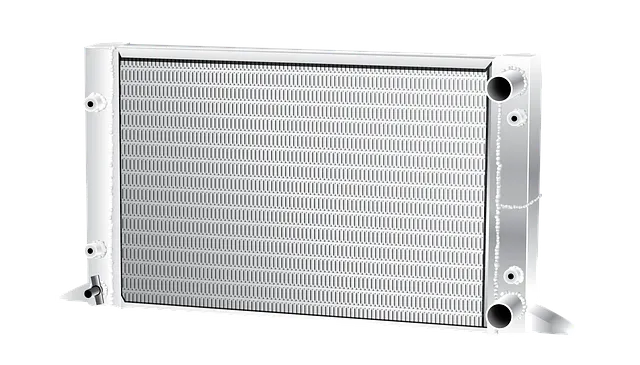
- The dual-shaft shredder is suitable for shredding aluminum-containing electronic waste, including computers, laptops, mobile phones, radiator and other electronic equipment.
- Aluminum rims in tires can be shredded with a dual-shaft shredder.
- Aluminum-containing industrial waste, such as packaging materials, scrap from manufacturing processes and discarded machinery parts, can be shredded effectively using a twin-shaft shredder.
- Twin-shaft shredders with high torque and low speed capabilities are also effective at processing aluminum-containing mixed material waste streams such as municipal solid waste and construction waste.
Four shaft aluminum shredder
The four-shaft shredder for aluminum is equipped with two additional cutting rotors to provide finer shredding of scrap aluminum. This type is particularly useful for materials that are difficult to shred with a single-shaft or dual-shaft shredder.


Application of Four shaft aluminum shredder
- Four shaft shredders are ideal for shredding plastic-aluminum composite materials commonly found in packaging, such as Tetra Pak cartons and laminated packaging films.
- Complex e-waste containing aluminum, such as circuit boards, heat sinks and casings, can be finely shredded using a four-shaft shredder to recover valuable materials.
- Four shredder aluminum shredder can also shred aluminum foil, pallets and other metal packaging materials.
Divided according to size, it can be divided into: small aluminum and heavy duty aluminum shredder.
Small aluminum shredders
Small aluminum shredders are compact machines designed for small batch shredding tasks. These shredders are ideal for small recycling facilities or specific processes where space is limited and aluminum scrap volumes are relatively small.

Application of Small aluminum shredder
- The small aluminum shredder is suitable for shredding office waste containing aluminum, such as paper documents or packaging materials with aluminum foil.
- Small aluminum shredders can be used in small businesses to shred aluminum cans, aluminum foil, and other recyclable materials.

Heavy duty aluminum shredder
Heavy-duty aluminum shredders are rugged machines designed to handle large quantities of aluminum or large aluminum waste. They are able to process bulk aluminum materials such as automotive parts, large containers and other large quantities of aluminum scrap.

Application of Heavy duty aluminum shredder
- Heavy-duty aluminum shredders excel at processing large aluminum automotive parts such as engine blocks, cylinder heads, and transmission cases.
- Large aluminum containers, barrels and barrels can be effectively shredded using a heavy-duty shredder to facilitate recycling and material recovery.
- Heavy-duty shredders are commonly used in scrap metal yards to process bulk aluminum scrap collected from a variety of sources, including demolition sites and manufacturing plants.
- Aluminum scrap generated in industrial settings, such as from manufacturing workshops and metal processing plants, can be effectively shredded for recycling using heavy equipment.

Why aluminum shredder machine is necessary for recycling?
Aluminum shredders are essential tools in the recycling process for several reasons:
1. Size Reduction: Aluminum shredders break down large pieces of aluminum (such as car parts or construction materials) into smaller, more manageable pieces. This makes it easier to handle during subsequent processing steps.
2. Increased Surface Area: Shredding increases the surface area of the aluminum material, which facilitates more efficient melting or further processing. This enhanced surface area allows for better heat transfer during melting.
3. Separation of Contaminants: Aluminum shredder machines can help separate aluminum from contaminants such as coatings, paints, or other materials that may be present on aluminum scrap. This is important because contaminants can affect the quality of the recycled aluminum and may pose safety risks during melting.
4. Economic Efficiency: By shredding aluminum scrap into smaller pieces, less energy is required during subsequent processing steps such as melting, which reduces processing costs.
What can aluminum be used for after it is recycled and shredded?
Shredded aluminum generates $1 billion in revenue annually for various industries due to its ability to be recycled and reused in multiple applications without losing quality. Here are some common uses for recycled aluminum:
Packaging materials
Recycled aluminum can be used to produce new aluminum cans, foil and other packaging materials, making it one of the most common and efficient forms of aluminum recycling. Used beverage containers are the largest component of processed aluminum scrap.
Transportation parts
Because aluminum is lightweight and strong, it is used in the manufacture of components for cars, trucks, airplanes and other transportation vehicles. For example, the automotive industry uses recycled aluminum to make components such as engine parts, panels and frames.
Building materials
Recycled aluminum can be used to produce building materials such as window frames, roofing, siding and structural components.
Electronic
Aluminum is used in the production of electronics due to its electrical conductivity and heat dissipation properties. Recycled aluminum can be used to make electronic components, housings, power transmission cables and conductors, radiators, and more.
Aluminum’s versatility and its unlimited recyclability make it a valuable resource for multiple industries. The process of recycling aluminum typically involves sorting, shredding, cleaning, melting, and then forming it into ingots or other shapes suitable for manufacturing. This cycle not only benefits the environment by conserving energy and reducing greenhouse gas emissions but also promotes economic growth through job creation and material sales.


