
 English
 Russian
 Thai
 Korean
 Chinese
 Japanese
 Vietnamese
 Malay
 Tamil
 Turkish
 Arabic
 Portuguese
 Indonesian
 French
 Spanish
When purchasing industrial shredder machines, it’s crucial to consider various factors to ensure that the chosen equipment meets your specific requirements. Here are some key considerations:

Step 1: Determine the materials you need to process
Some industrial shredders are designed for specific materials, such as some specialized tire shredder, scrap metal shredder, plastic shredder, wood shredder, e waste shredder, food waste shredder, etc.
It is worth mentioning that if you need to shred multiple materials, you can ask the industrial shredder manufacturer whether their shredder machines can handle multiple materials.
Step 2: Determine the materials you need to output
Determine the desired output material properties, such as particle size. Consider whether the output requires consistent granularity and whether it is for specific applications such as RDF production or use as fertilizer. Depending on your choice, you may need industrial shredder machines with or without screens.
Step 3: Consider the processing capabilities of industrial shredder machines
Usually the size of the industrial shredder machine will affect the hopper size of the shredder machine and the diameter of the shredder blade. In other words, it will affect the amount of material you can process and the volume of the material. Therefore, you can think about the amount of material or the volume of the material that you need to process every day or hour, and choose a shredder that can handle your expected work between large industrial shredder machines and small industrial shredder machines. In the meantime, consider the available space in your facility and whether the machine can be easily integrated into your workflow.
Step 4: Pay attention to the safety of industrial shredder machines
Safety systems with emergency stop buttons, safety locks and guards are examples of important safety features for industrial shredder machines.
Step 5: Understand the structure of industrial shredder machines and choose a shredder that takes into account corrosion resistance
The structure of industrial shredder machines is designed to handle heavy-duty shredding tasks efficiently. Here are key components of the typical structure, with a focus on features like strong corrosion-resistant blades and cutting chambers:
Frame:
The frame forms the foundation of the industrial shredder, providing structural support and stability. It is usually made from robust materials such as steel to withstand the stress and vibrations during operation.
Hopper:
The hopper is the entry point where the material to be shredded is fed into the machine. It is designed to accommodate different material sizes and shapes. The size of the hopper can vary based on the capacity and type of shredder.

Cutting Chamber:
The cutting chamber is a critical component where the actual shredding takes place. It houses the shredder blades and determines the size and consistency of the shredded material. The design of the cutting chamber is optimized for efficiency and durability.

Shredder Blades:
Shredder blades are the primary cutting tools responsible for breaking down the material. These blades are typically made from high-strength, corrosion-resistant materials to ensure durability and longevity. The configuration and design of the blades vary depending on the type of material being shredded.

Drive System:
The drive system includes the motor and other components responsible for powering the shredder. Motors are often electric and provide the necessary torque to drive the blades. The drive system is designed to handle heavy loads and continuous operation.
Gearbox:
The gearbox is an essential part of the drive system, responsible for transmitting power from the motor to the shredder blades. It plays a crucial role in controlling the speed and torque to optimize shredding performance.
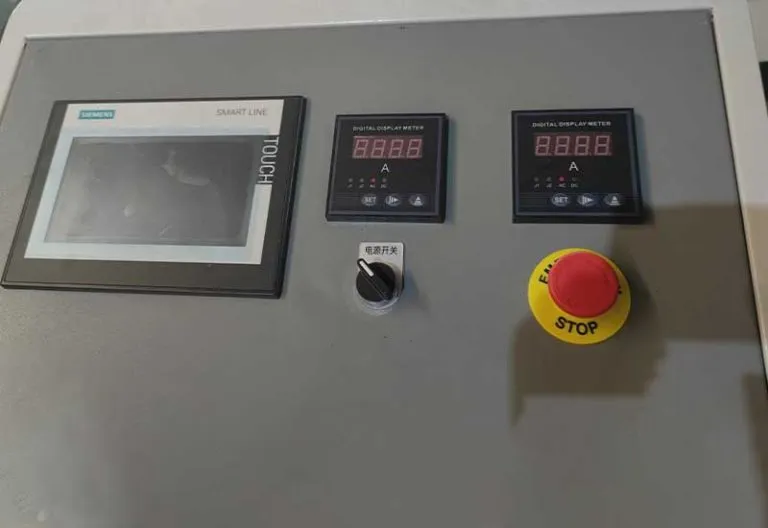
Control Panel:
The control panel provides a user interface for operating and controlling the shredder. It includes switches, buttons, and displays for functions such as start/stop, speed control, and monitoring.
Discharge Conveyor (optional):
Some industrial shredders may include a discharge conveyor to efficiently move the shredded material away from the machine. This is particularly useful for continuous shredding operations.
Components exposed to potentially corrosive materials are often treated with coatings or made from materials that resist corrosion. This is especially important for the structure of the industrial shredder machine, especially the blade and cutting chamber.
Step 6: Consider customization options
If you have specific needs for industrial shredder machines, ask the manufacturer if they offer customization options so they can be customized to your specific needs. This includes blade configurations, feed systems or other safety features.
Step 7: Buy a new or used shredder machine?
On the one hand, second-hand shredders are generally more affordable than brand-new ones. If the used shredder has a history of reliable performance, it provides a level of assurance regarding its durability and functionality.
However, used industrial shredders often come with limited or no warranty coverage. In addition, older models may feature outdated technology and lack the efficiency of more modern shredders. Also, second-hand shredders may have potential problems that affect subsequent use.
If you are going to buy second hand shredder machine, you’d better ask the seller questions about the equipment’s history and maintenance.
On the other hand, the biggest advantages of buying a new industrial shredder are the customization options to meet specific business needs and the warranty and after-sales support. In addition, new industrial shredders incorporate the latest technological advancements to ensure optimal performance, precision and efficiency in material processing.


