
 Indonesian
 English
 Russian
 Thai
 Korean
 Chinese
 Japanese
 Vietnamese
 Malay
 Tamil
 Turkish
 Arabic
 Portuguese
 French
 Spanish
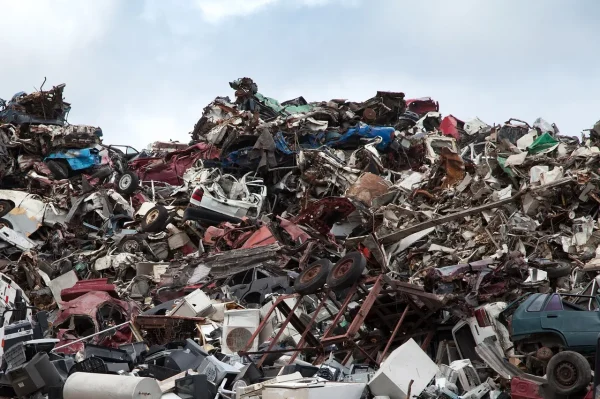
Scrap iron recycling begins with effective size reduction. Large, irregular, and mixed ferrous scrap is difficult to transport, sort, and process efficiently. A heavy-duty scrap iron shredder turns this material into smaller, more manageable pieces for downstream separation and recycling.
This guide explains how iron shredding works, what materials can be processed, how to select equipment, and how to maintain a stable recycling operation.
What Is a Scrap Iron Shredder and How Does It Work?
A scrap iron shredder is an industrial machine that tears, shears, and reduces ferrous scrap into smaller pieces. It is commonly used in scrap yards, metal recycling plants, waste-processing facilities, and manufacturing sites.
Most heavy-duty shredders use slow-speed, high-torque rotors fitted with wear-resistant cutting blades. The low-speed design produces strong cutting force while helping to control noise, dust, and shock loads.
Basic Working Process
The shredding process normally follows several steps:
Material feeding
Scrap is loaded into a hopper by conveyor, grab crane, forklift, or other feeding equipment.
Shearing and tearing
Rotating shafts pull the material into the cutting chamber. Intermeshing blades shear, tear, and break the scrap into smaller pieces.
Overload protection
When the machine encounters excessive resistance or unshreddable material, the control system can stop or reverse the rotor. This helps protect the drive system and cutting tools.
Discharge and separation
Shredded material leaves the machine for further processing. A conveyor, magnetic separator, screen, hammer mill, or sorting system may be added based on the recycling line design.
Materials an Iron Scrap Shredder Machine Can Process
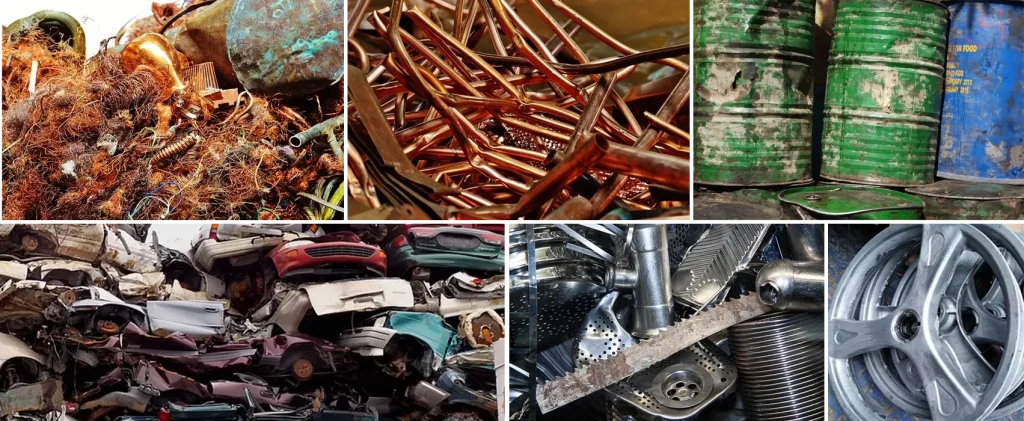
An iron scrap shredder machine can process many forms of ferrous scrap, provided the material size, thickness, and hardness are within the machine’s designed range. Typical materials include:
- Vehicle bodies and auto shell scrap
- Household appliances, including washing machines
- Steel pipes and profiles
- Steel reinforcement bars and rebar
- Bicycles and light metal frames
- Industrial machine components
- Steel drums and metal containers
- Construction steel offcuts
Light-gauge steel sheet and mixed ferrous scrap
Benefits of Using an Iron Shredder Machine
A heavy-duty iron shredder machine improves the efficiency of scrap recycling by reducing bulky, irregular iron waste into smaller and more uniform pieces.
Better Material Flow and Recovery
Shredded scrap is easier to store, convey, transport, and feed into downstream equipment. A more consistent material size also supports magnetic separation and other sorting processes.
Lower Handling Costs
By reducing scrap volume, a scrap iron shredder helps optimize storage space and transportation efficiency. It also reduces the need for manual handling of large, sharp, or irregular materials.
Flexible and Safer Processing
An iron scrap shredder machine can process mixed ferrous scrap, including appliances, pipes, steel frames, and industrial parts. PLC control, overload protection, and automatic reverse functions help maintain safe and stable operation.
How to Select a Suitable Scrap Iron Shredder
Selecting the right scrap iron shredder isn’t about buying the biggest model on the market. It is about investing in a system tailored to your feedstock, throughput goals, and downstream processing requirements.
1. Define Capacity and Feedstock Requirements
Matching your machinery to your material profile prevents costly inefficiencies. Begin by analyzing your scrap:
- Material Profile: Are you processing loose appliances, bundled bales, mixed metals, or thick structural steel?
- Physical Specs:What are the maximum feed size and thickness?
- Volume & Output: What is your required hourly throughput and target output size for downstream processing?
Pro Tip: A machine built for light appliance scrap will quickly fail when exposed to heavy structural steel. Always size your cutting chamber, rotor configuration, drive power, and hopper around your actual material stream.
2. Choose the Right Shredder Configuration
Different designs serve distinct roles in an iron recycling workflow:
| Shredder Type | Typical Role in Iron Recycling | Main Advantage |
| Double-shaft Shredder | Primary shredding of bulky and mixed iron scrap | High torque and strong tearing action |
| Four-shaft Shredder | Size reduction requiring controlled output | Screen-controlled, uniform output size |
| Single-shaft Shredder | Secondary shredding or material refinement | Adjustable output through a discharge screen |
| Small Double-shaft | Small-volume scrap and compact materials | Compact footprint and simple handling |
3. Evaluate Blade Material and Design
Blades are the highest-wear components in any iron shredder. Material composition, thickness, hook geometry, heat treatment, and clearance dictate both cutting performance and lifespan.
Material Balance: Do not select blades based on hardness alone. Extremely hard blades often lack the toughness needed to handle impact-heavy scrap.
Design Match:
- Thicker blades suit coarse shredding and harder scrap.
- Blade spacing dictates final output size.
- Hook geometry optimizes gripping and tearing efficiency.
- Replaceable blade designs significantly reduce long-term maintenance downtime.
4. Check Safety and Automation Features
Heavy-duty recycling lines demand robust safety protocols and intelligent control systems to protect operators and equipment:
- Core Safety: Emergency-stop buttons, safety guards, and access interlocks.
- Smart Protection: Overload detection, automatic rotor reversal, and motor-load monitoring.
- Control & Integration:PLC control with touchscreen interfaces, plus alarm and fault-diagnosis functions.
5. Compare Energy Use by Output, Not Motor Size Alone
Installed motor power alone is a misleading metric. True energy efficiency is measured by actual tons processed per kilowatt-hour, accounting for feed consistency, downtime, and output size.
- Oversized machines waste energy on light scrap.
- Undersized machines stall frequently, accelerate blade wear, and bottleneck productivity.
Always ask your supplier to evaluate your sample material and recommend a balanced configuration.
6. Prioritize Service, Spare Parts, and System Support
Long-term shredder performance relies heavily on post-purchase support. Before committing to a supplier, confirm the availability of:
- Readily available blades and critical spare parts
- Comprehensive technical documentation and manuals
- Professional installation and commissioning support
- Remote troubleshooting capabilities
- Structured operator and maintenance training
- Customized conveyors and separation equipment
Scrap Iron Shredder Maintenance Tips
Regular maintenance helps maintain stable output and reduce unplanned downtime.
- Inspect blades regularly and replace or rotate them when wear affects shredding performance.
- Check blade clearance, fasteners, bearings, gearbox oil, and hydraulic components.
- Remove trapped material and clean the cutting chamber after shutdown.
- Monitor vibration, noise, temperature, and control-system alarms during operation.
- Keep a maintenance record to track operating hours, blade changes, and equipment faults.
Always isolate and lock out the machine before inspection, cleaning, or maintenance.
Shengzhong Scrap Iron Shredder Solutions
Shengzhong Heavy Industry Machinery provides industrial shredding equipment for material size reduction and recycling applications. Equipment selection can be customized around material type, feed dimensions, output requirements, capacity targets, and line integration needs.
Double-Shaft Shredder for Primary Scrap Processing
Itu double-shaft shredder is a practical choice for bulky, mixed, and irregular iron scrap.
- Two counter-rotating shafts deliver low-speed, high-torque tearing and shearing.
- PLC-controlled overload protection automatically stops and reverses the rotors when necessary.
- Wear-resistant, replaceable blades support long-term operation.
- Often used as the first-stage shredder before separation or further size reduction.
Best For: metal profiles, steel drums, appliance scrap, vehicle components, pipes, and mixed industrial waste.

Four-Shaft Shredder for Uniform Output
Itu mesin penghancur empat poros is designed for applications that require a more controlled shredded size.

- Four intermeshing shafts provide multi-stage cutting and efficient material reduction.
- A discharge screen controls the final output size.
- Gravity feeding supports continuous operation without a hydraulic pusher.
- Can operate as a stand-alone machine or as part of a complete recycling line.
Best For: metal drums, light scrap metal, plastic, wood, tires, pallets, and bulky industrial waste.
Single-Shaft Shredder for Secondary Size Reduction
Itu single-shaft shredder uses a hydraulic pusher to feed material toward a rotating knife rotor.
- Rotor knives and fixed knives tear, squeeze, and shear the material.
- A screen controls the discharge size.
- Heavy-duty steel construction supports demanding recycling applications.
- Low rotor speed helps reduce vibration, noise, and dust.
Best For: mixed waste, plastic, rubber, wood, paper, electronic waste, and materials containing limited quantities of light-gauge metal.

Small Shredder for Compact Material Streams
Itu small shredder machine is suitable for smaller-scale recycling tasks and compact materials.
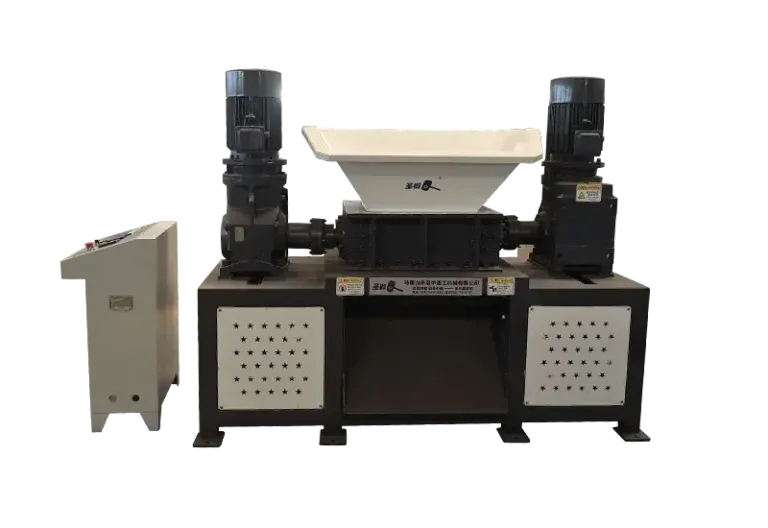
- Dual slow-speed shafts provide stable tearing and shearing action.
- PLC control supports automatic reverse during overload conditions.
- Serrated fixed blades help prevent material wrapping and improve cutting efficiency.
- Compact design supports applications with limited installation space.
Best For: small metal pieces, plastic scrap, packaging waste, and other light industrial materials.
Kesimpulan
Choosing the right scrap iron shredder helps improve material handling, recycling efficiency, and downstream metal recovery.
Looking for a reliable iron recycling solution? Contact Shengzhong Heavy Industry Machinery to discuss your feedstock, capacity target, and customized shredder configuration.


